Paasbrood (Dutch Easter Bread)
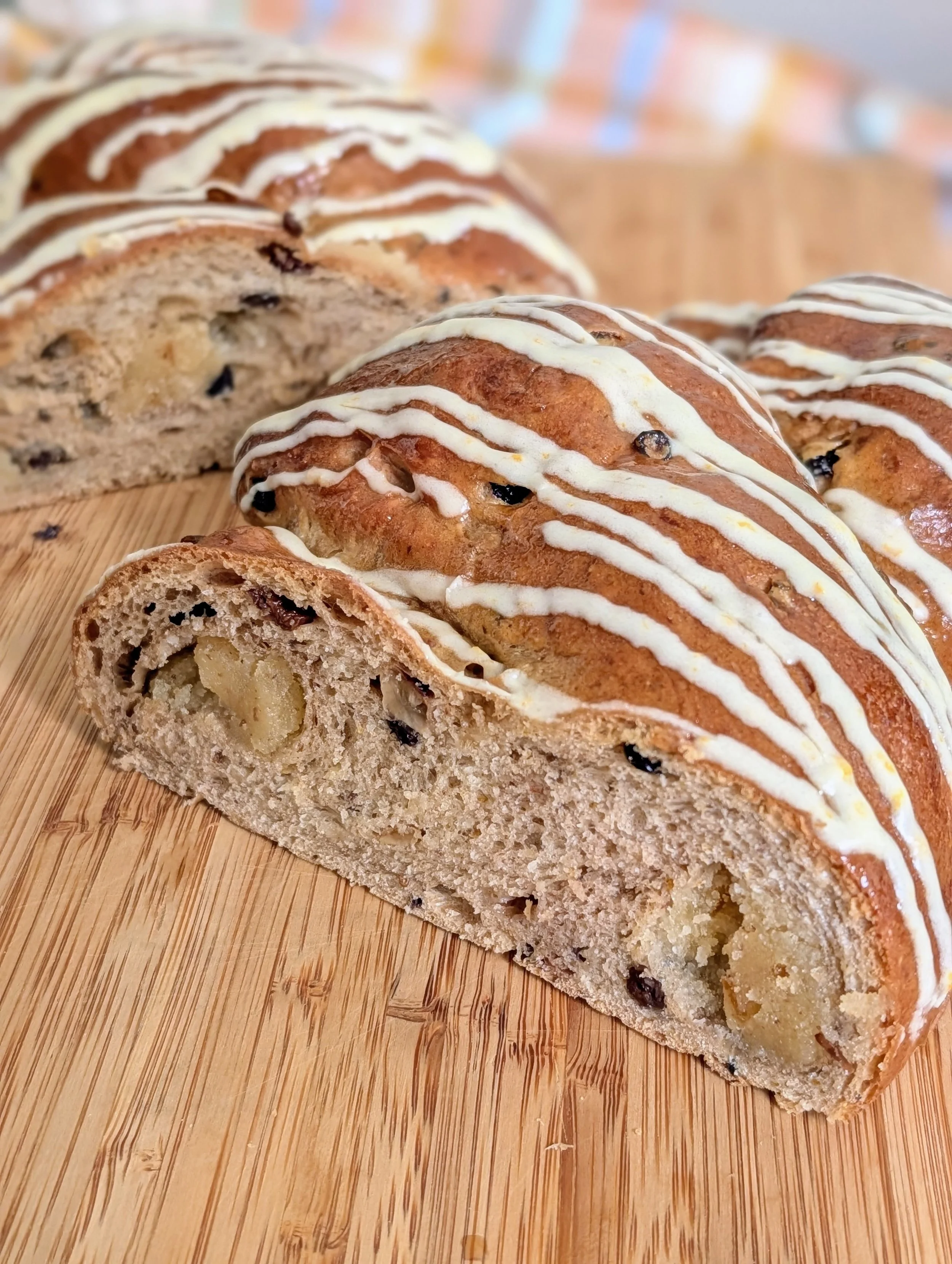
If you’re looking for a baking project this Easter, then I have the perfect recipe for you! This GIANT easter bread is called Paasbrood (Dutch Easter Bread) and it is bound to stop the show at any Easter feast this year.
This loaf uses the same dough as my hot cross bun recipe, so you just know it’s loaded with spices and fruit and general deliciousness! But this also has a hidden surprise inside. There’s a lemony almond paste woven through this twisty loaf that adds a zingy contrast to the soft, fruit-studded dough.
Shaping the dough was the most challenging part of this recipe to master, and it took me four attempts to find the easiest way to make the twist. I’m happy to say that the research paid off, because by starting the two strands of filled dough as an ‘X’ on the tray makes it incredibly easy to evenly twist both ends.
I’ve included two options for finishing this loaf – a glaze and an icing. I went all out (it is Easter, after all!) and put both on my loaf, but either on their own would be more than enough. Or you could keep it traditional and forgo both in favour of a generous dusting of icing sugar.
And just like hot cross buns if you don’t eat it all on the day it toasts up beautifully days after it baked, and freezes well on the off chance you have any left that requires freezing!
Ingredients
Soaked Fruit
100g dried fruit – sultanas, raisins etc
125g brandy (heated) or boiling water with 1 earl grey tea bag
2 teaspoons mixed spice
1 teaspoon cinnamon
Roux (aka Tangzhong)
20g plain flour
100g milk
Dough
350g plain flour
1 teaspoon fine sea salt
1 ½ teaspoons, or a 7g sachet, of dried instant yeast
165g milk, ideally room temperature
1 egg, room temperature
60g unsalted butter, room temperature
20g honey
Zest of 1 orange and 1 lemon
1 teaspoon cardamom seeds
1 teaspoon anise seeds
1 extra egg, for an egg wash
Almond filling
200g almond meal
150g caster sugar
Pinch of fine sea salt
1 egg, room temperature
Zest of 1 lemon
½ teaspoon vanilla bean paste
50g mixed peel
Glaze (optional)
80ml of total liquid, using the juice from the zested orange and topping up the required amount of water
80g brown sugar
1 Cinnamon stick and/or 4 whole cloves
Icing (optional)
85g icing sugar
15-20ml of juice from the zested orange
Zest from half an orange
10g unsalted butter, room temperature
A pinch of salt
Method
Start by soaking the dried fruit. Place the 100g of dried fruit into a bowl. If soaking fruit in brandy, bring the brandy to the boil in a small saucepan and then pour over the fruit. If soaking the fruit in tea, add the tea bag to the bowl containing the fruit and pour over the freshly boiled water. Cover the bowl and leave to soak.
Next, make the roux by placing the flour and the milk into a small saucepan over a low/medium heat. Mix with a spatula to combine, and continue mixing until the mixture starts to thicken, eventually forming a thick paste. Keep stirring and scraping for a minute or two before removing from the heat and scraping the mixture into the bowl of your stand mixer and leave to cool for a couple of minutes.
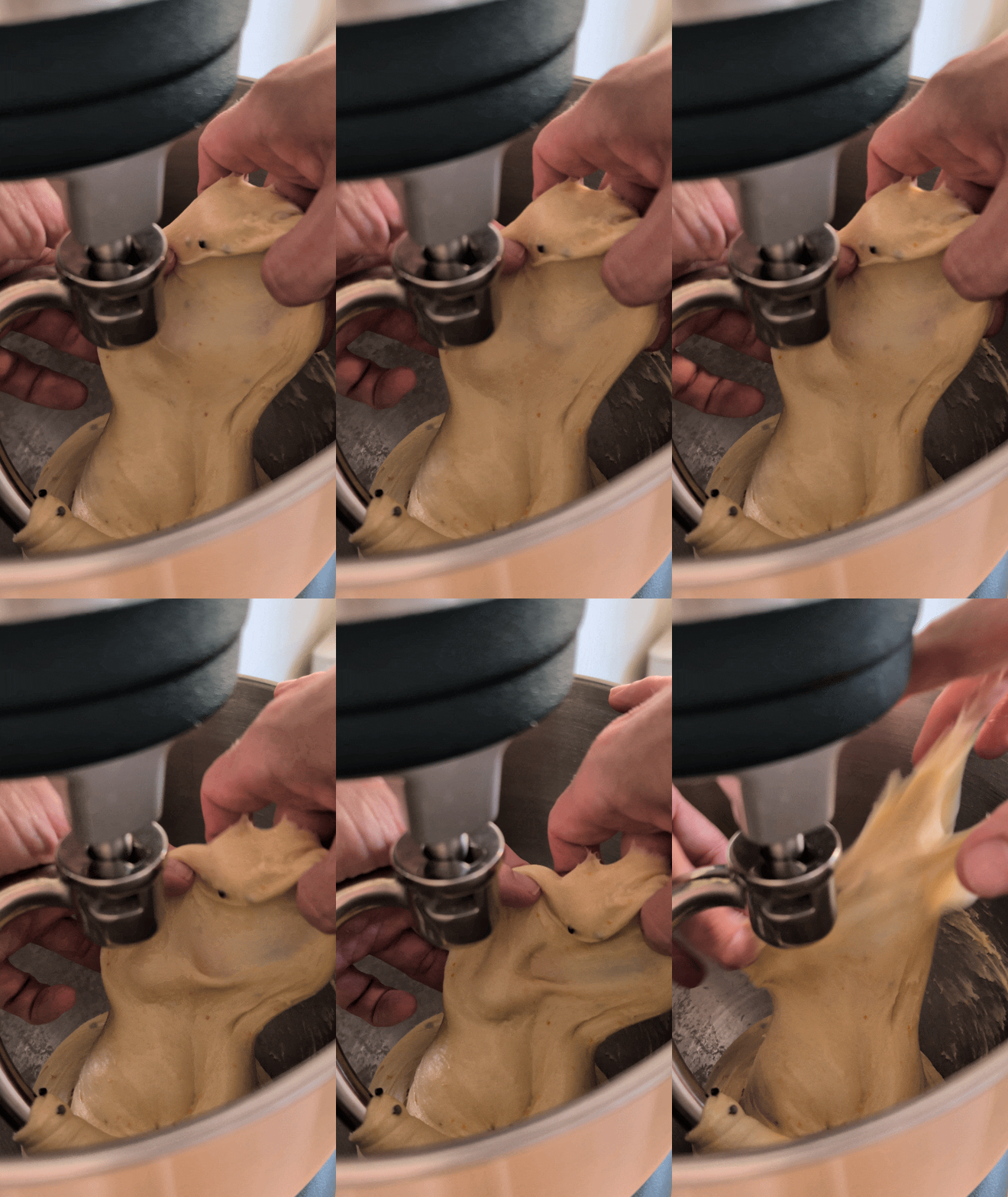
To make the dough, add the flour followed by all the dough ingredients (other than the extra egg for the egg wash) into the stand mixer bowl. Attach the dough hook and mix on a low/medium (speed 3 or 4 on my KitchenAid) for 10-15 minutes, or until the dough comes together as a single, stretchy dough. Use the windowpane test to see if the dough is ready.
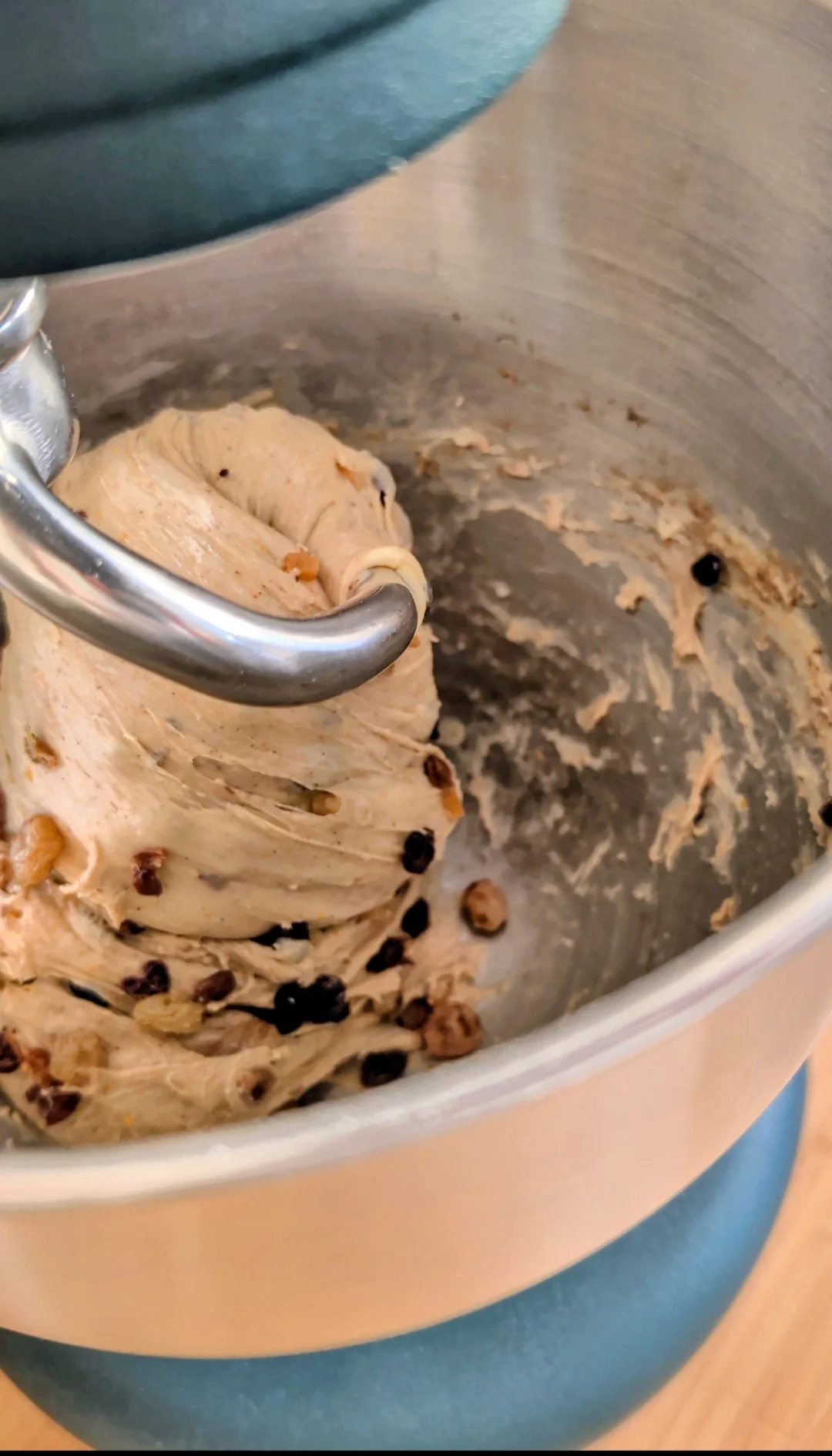
Drain any excess liquid from the soaking fruit and then add ground spices and mix to combine. Add the spice-covered fruit into the stand mixer bowl and mix on low (speed 1 on my KitchenAid) until the fruit is evenly incorporated into the dough.
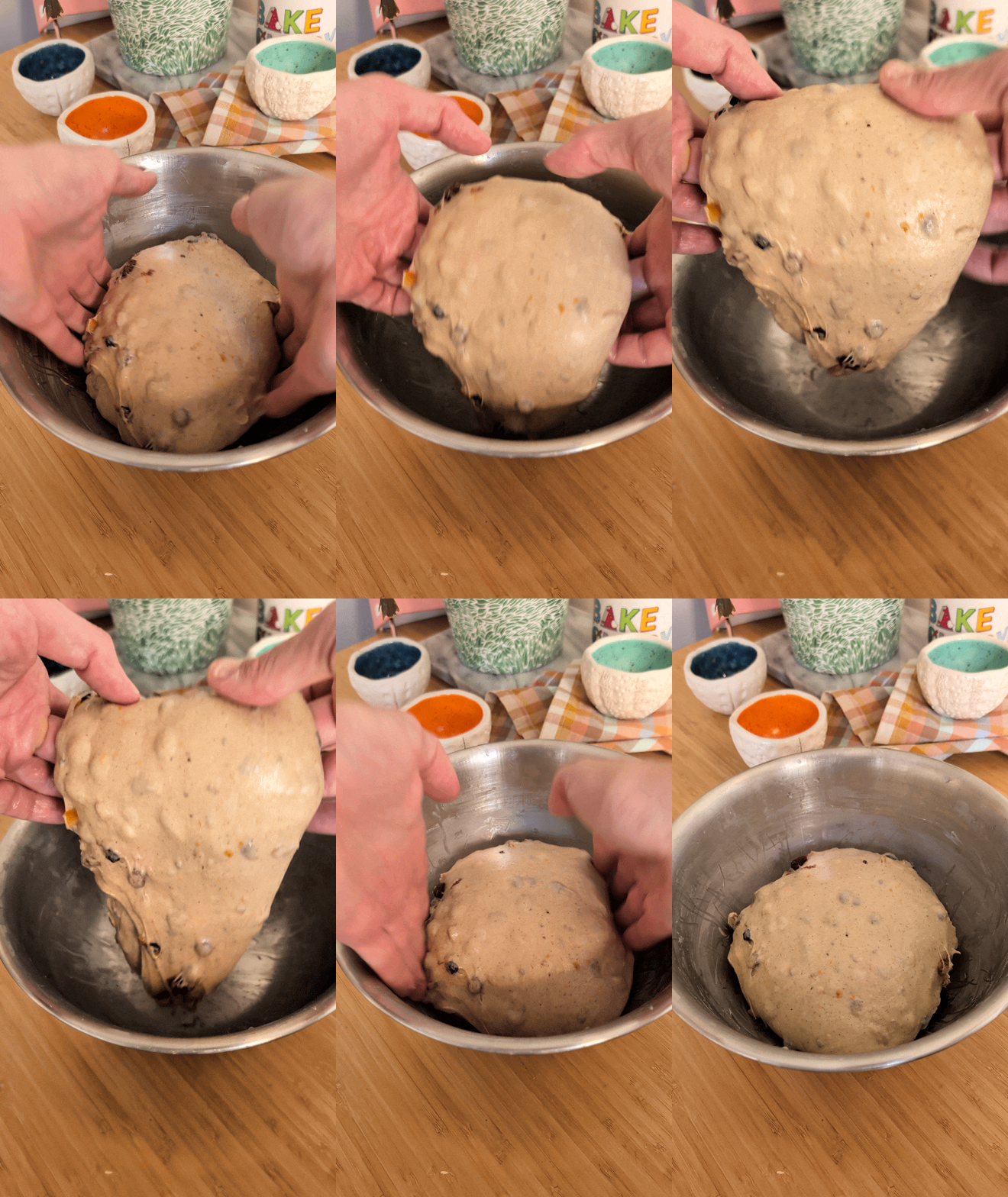
Grease a medium bowl with butter. Scrape the dough into the prepared bowl, and then do 4-6 coil folds to shape the dough into a ball. To do a coil fold, simply dampen your hands with some water and then tuck your hands underneath the centre of the dough, slowly lifting it up so the sides of the dough dangle down and coil back under the dough as you lower it back down into the bowl. Spin the bowl 90 degrees and repeat the coil fold steps 1-4 more times until your dough has a smooth and round shape in the bowl. Cover with a clean tea towel or shower cap and leave to proof for 1-2 hours (depending on the temperature in your kitchen), or until doubled in size.
While the dough is proofing, make the almond filling by mixing all the ingredients together in a bowl until fully combined into a smooth, stiff paste. If the paste feels too stiff, add a small about of lemon juice from zested lemon to loosen the paste slightly. Cover the bowl and set aside.
Once the dough has finished its first proof, gently scrape the dough onto a lightly floured bench. Using your hands and a rolling pin, gently shape the dough into a rectangle about 36cm x 24cm. Use a knife or a pastry cutter to slice the rectangle in half longways.
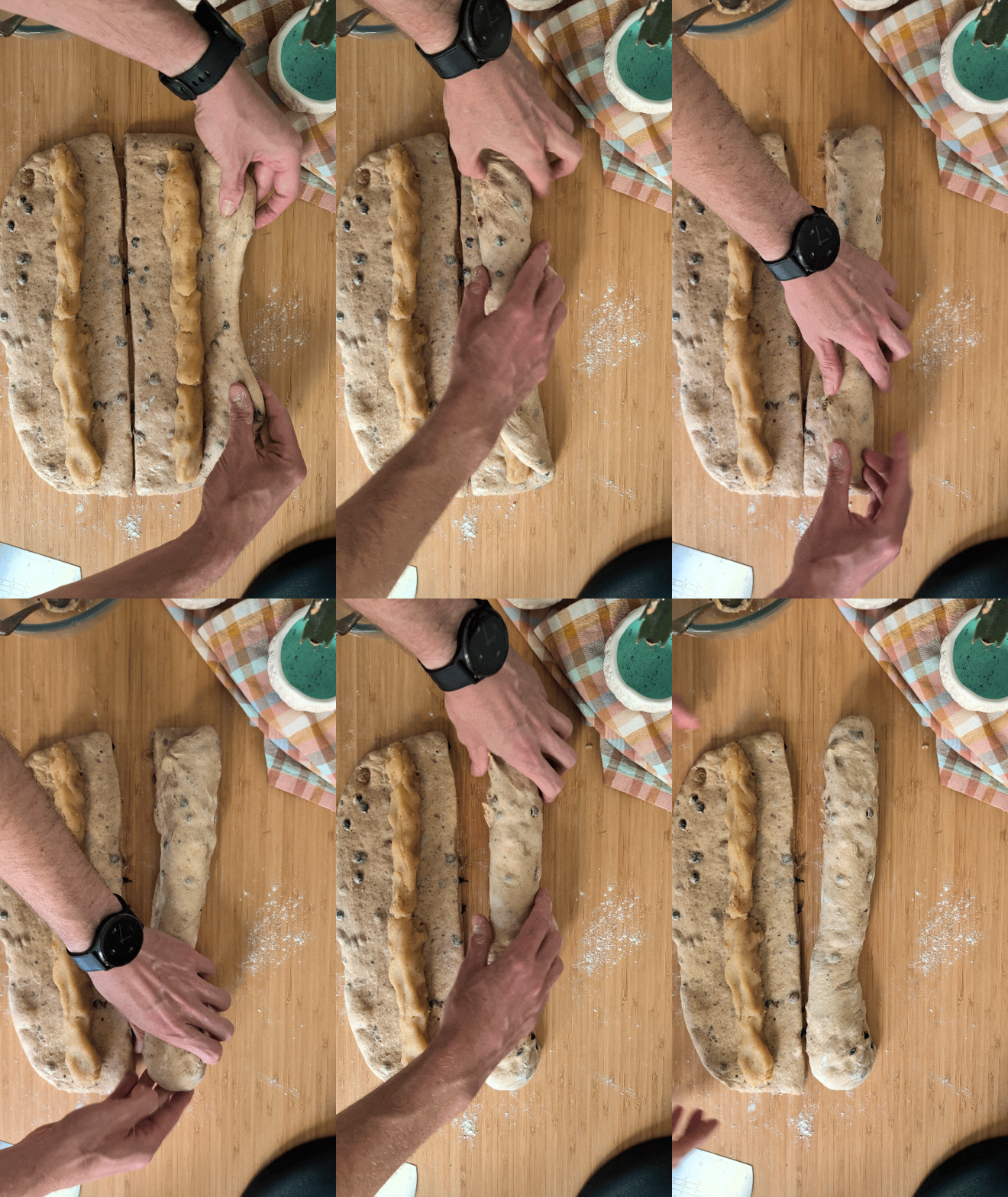
Take small portions of the almond paste and shape into a thin sausage and place along the middle of each half of dough. Continue this until you have a long sausages of almond paste running across the middle of each peice of dough. Starting with one piece of dough, roll into a log and seal in the almond paste by pulling the long edge of the dough over to cover the almond paste, and then roll the dough over to secure the almond paste in the dough, with the seam in now facing down. Repeat with the other half so you have two large almond-filled strands of dough.
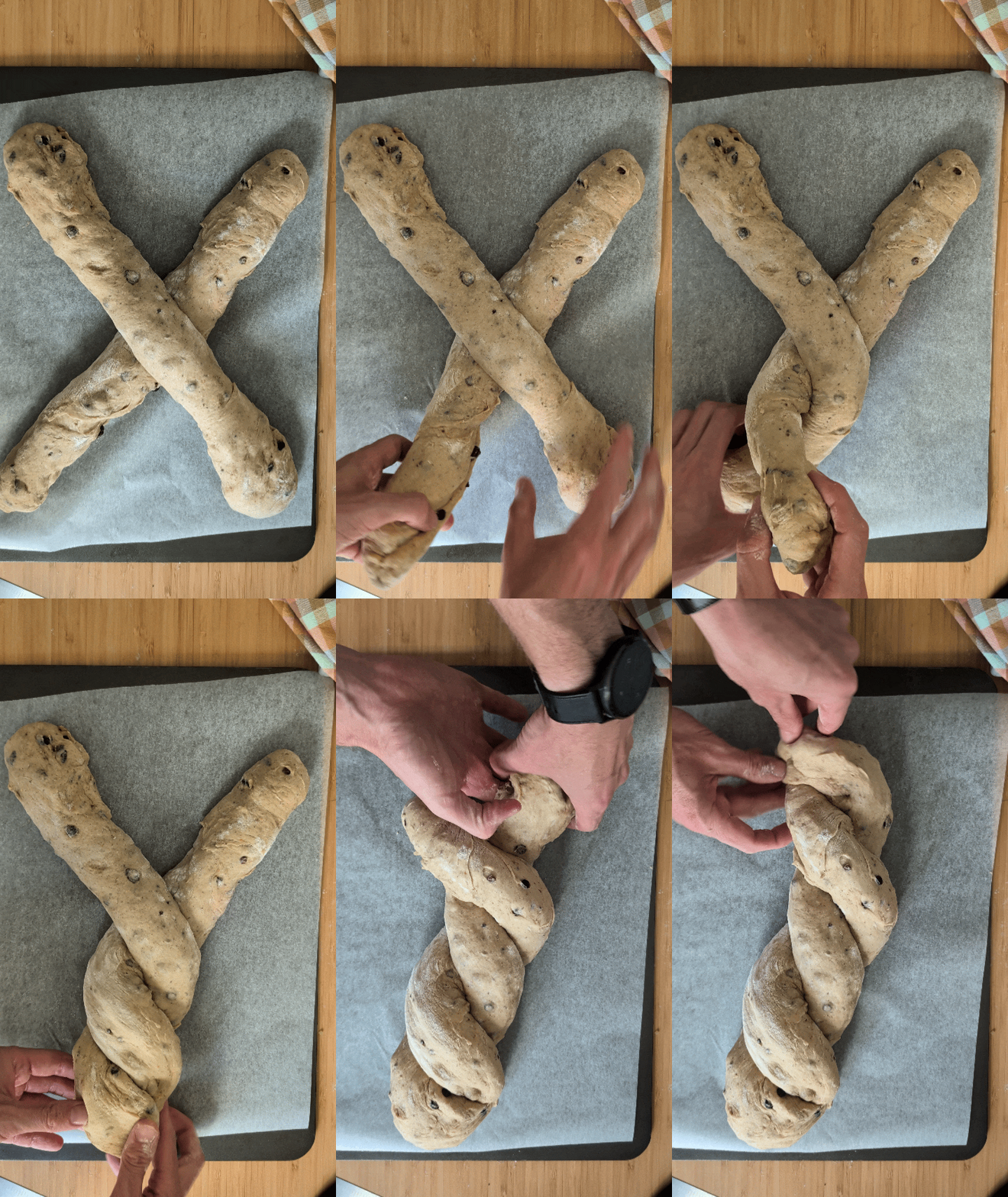
Line your largest baking tray with baking paper. We now want to shape the Paasbrood by twisting the dough strands over one another. Gently lift one of the dough strands and place diagonally on the lined tray. Life the second strand and cross over the first to create a large X. Starting a one end, lift the strands of dough over one another to create a twist, and tuck in the end. Repeat the twisting motion at the other end to finish shaping the Paasbrood. Cover with a clean tea towel and proof for 30-90 minutes or until risen by about 30%-50%.
You can test the proofing by gently pressing the dough with a floured finger to create a dent. If the dent springs all the way back right away the dough needs to proof for longer. If the dent springs back slowly, but not all the way back, the dough is ready for baking. If the dent doesn’t spring back at all the dough is over-proofed.
While the Paasbrood is proofing, preheat the oven to 180 degrees C, and lightly whisk the extra egg in a small bowl for the egg wash. Once the Paasbrood is proofed, brush all over with the egg wash and bake for 40-50 minutes or until deeply golden brown, rotating the tray at least once during baking. If you have a digital thermometer you can test the doneness of the Paasbrood by inserting the thermometer into one of the joins. The Paasbrood is done when it reaches about 90 degrees C.
While the Paasbrood is baking, prepare the glaze (if using) by placing all the glaze ingredients into a small saucepan and whisking over a medium heat until the sugar has dissolved. Bring the glaze to the boil and then lower the temperature and simmer for 5-10 minutes. Remove from the heat. As soon as the Paasbrood is out of the oven generously brush it with the hot glaze. Carefully transfer the Paasbrood to a wire cooling rack and leave to cool.
Once cooled, make the icing (if using) by mixing all the ingredients in a small bowl until perfectly smooth. Add some extra icing sugar if your icing is too thin, or some extra juice if it is too thick. Drizzle as much or as little of the icing over the Paasbrood as you like (I put my icing in a piping bag and drizzled about half of it over my Paasbrood). Leave the icing to set (30-60 minutes) and then slice and enjoy!